
Syncwork vs Toggl
In Syncwork's own words.
Syncwork is a lightweight time tracking, reporting and invoicing tool for freelancers and small teams, with a free desktop app and one flat Premium price per seat. Toggl positions itself as a broader time tracking and capacity planning platform with tiered plans, mobile apps, AI features and enterprise compliance. Both cover timers, idle detection, profitability reporting and invoicing.
Where Syncwork stands out
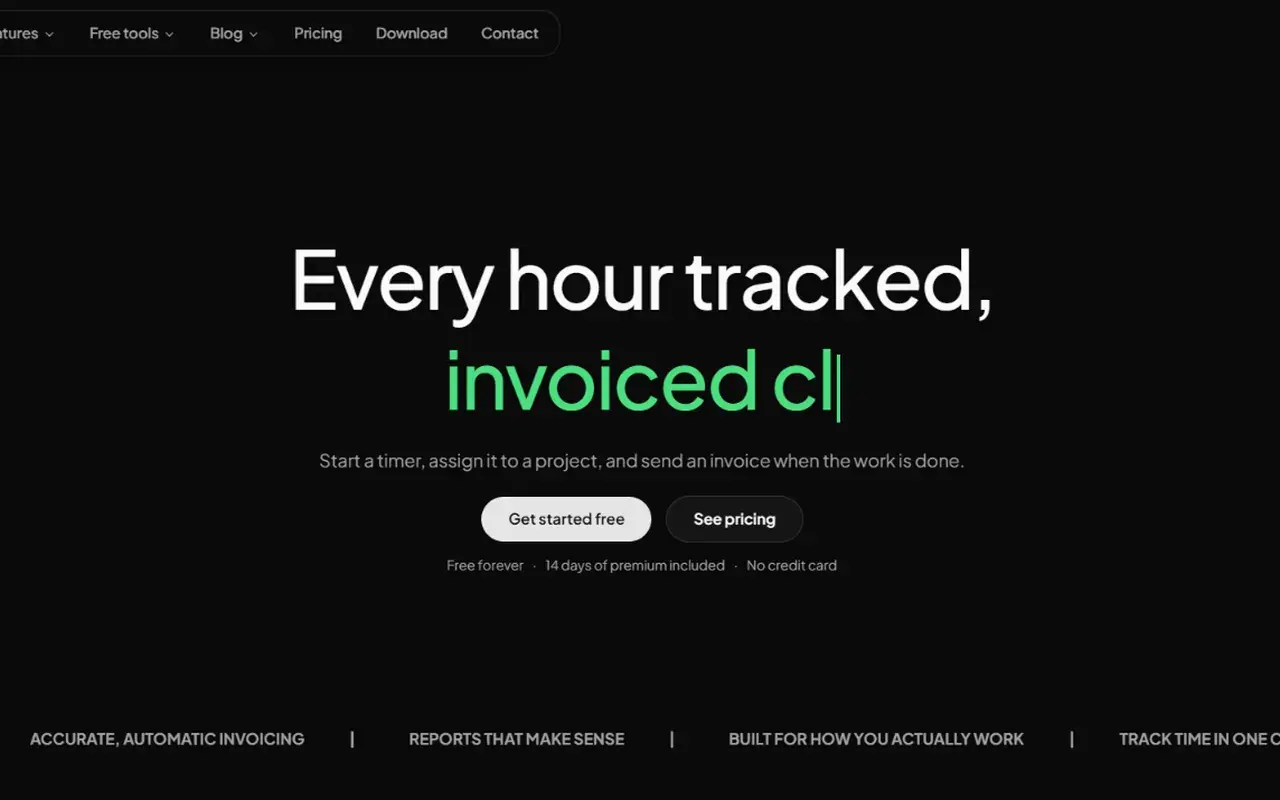
The desktop app is free on every plan and very small, with offline tracking.
The free plan includes unlimited projects, clients, tags and tasks.
Syncwork generates invoices directly from tracked hours, with tax and a logo added.
Activity details are stored only on the user's device.
Where Toggl is strong
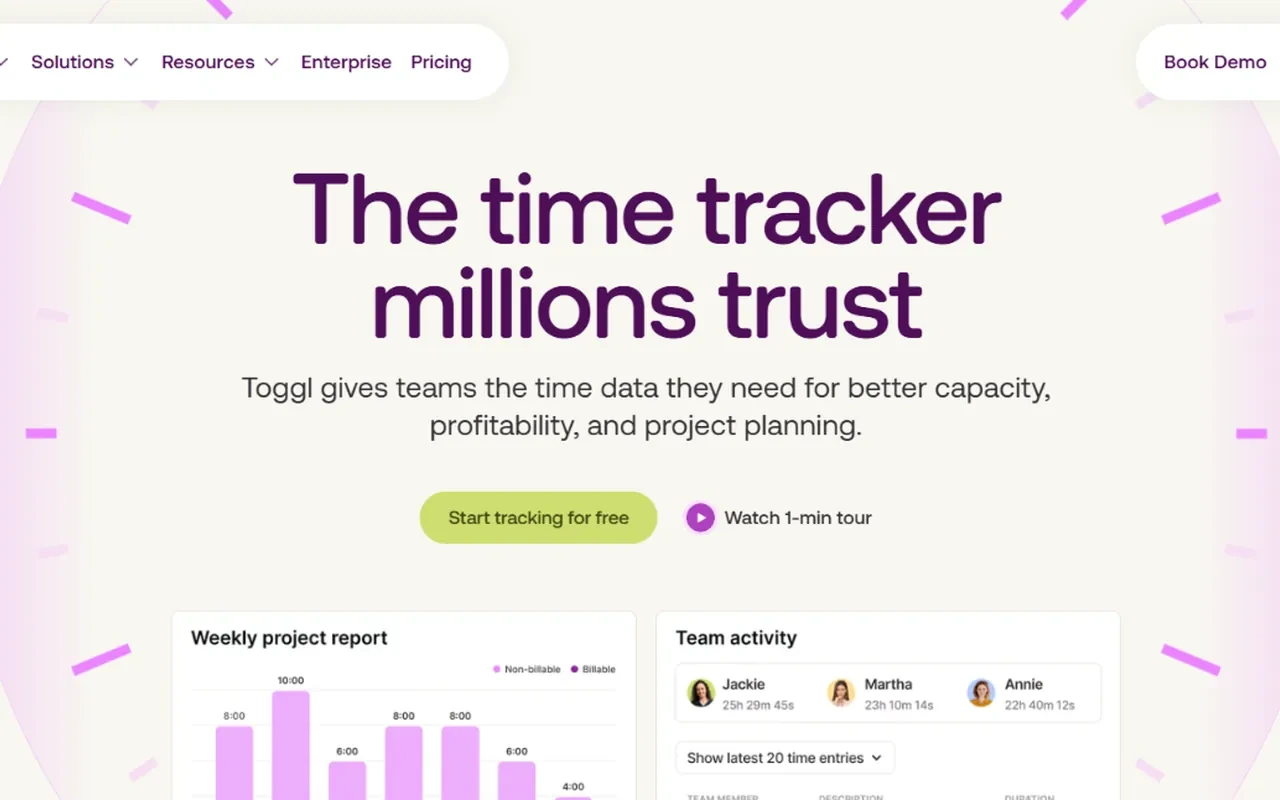
Toggl combines time tracking with capacity planning, including PTO and public holidays.
Toggl has mobile apps and integrations such as Jira and Asana.
Toggl offers enterprise-grade compliance and a long track record.
Differences
Paid pricing differs: Syncwork has a single Premium tier at $4.79 per seat per month billed yearly, while Toggl has Starter, Premium and Enterprise tiers starting at $9 per user per month billed annually.
Free plan scope differs: Syncwork's is limited to one seat and one workspace, while Toggl's free tier covers up to 3 users.
Invoicing is paid-only on Syncwork but there's manual invocing that's free. Toggl lists invoicing among its features, though its pricing text here does not state which tier includes it.
Platform coverage differs: Syncwork lists web, Windows, macOS and Linux, while Toggl lists web, desktop, iOS and Android.